Most SaaS founders make the same mistake with brand identity: they spend 45 minutes on a free logo generator, use Inter as their font because it ships with their design tool, and pick blue because “it looks techy.” Then they wonder why enterprise buyers do not take them seriously.
A SaaS brand identity is not a logo. It is a complete system. This article explains exactly what it should include, why each element matters, and what happens when you skip parts of it.
1. Logo System (Not Just a Logo)
You do not need just one logo. You need a logo system designed for the environments where your SaaS brand actually lives:
- Primary logo: The full version with your wordmark and any symbol
- Compact version: Wordmark only, for horizontal spaces like website headers
- Icon/symbol: A standalone mark for app icons, favicon, profile photos
- Light and dark versions: Your logo needs to work on both dark and light backgrounds
If your designer delivers only one logo file and no variants, you will spend the next two years asking them for modifications every time you need the logo in a different context.
2. Brand Colour Palette
SaaS colour palettes serve both brand expression and functional UI requirements. Your palette should include:
- Primary brand colour: The colour your brand owns. Used for primary CTAs and key brand moments
- Secondary and neutral colours: Supporting palette for backgrounds, text, and UI surfaces
- Functional colours: Success green, warning yellow, error red — used in your product UI
- Dark mode palette: Most SaaS products need both light and dark interface variants
Critically: all colour combinations used for text must meet WCAG 2.1 AA accessibility contrast ratios. This matters for enterprise sales, where accessibility compliance is increasingly required.
3. Typography System
Typography does heavy lifting in SaaS branding. It communicates personality, hierarchy, and professionalism. A proper SaaS typography system includes:
- Display typeface: For headings, hero text, and marketing materials
- Body typeface: For website body copy, documentation, and UI text
- Type scale: Defined sizes for H1 through H6 and body text, with consistent line heights
4. Brand Guidelines Document
The brand guidelines document is where the system is documented. It should include:
- Logo usage rules (minimum sizes, clear space, what NOT to do)
- Colour palette with hex, RGB, and CMYK values
- Typography specifications
- Tone of voice and messaging principles
- Photography and illustration style direction
This document exists so that any designer, developer, or marketing team member you work with in the future can execute your brand consistently — without asking you to approve every decision.
5. Application Examples
A brand identity that only exists in a PDF is not useful. Your designer should show the brand applied to real contexts your SaaS company will actually use:
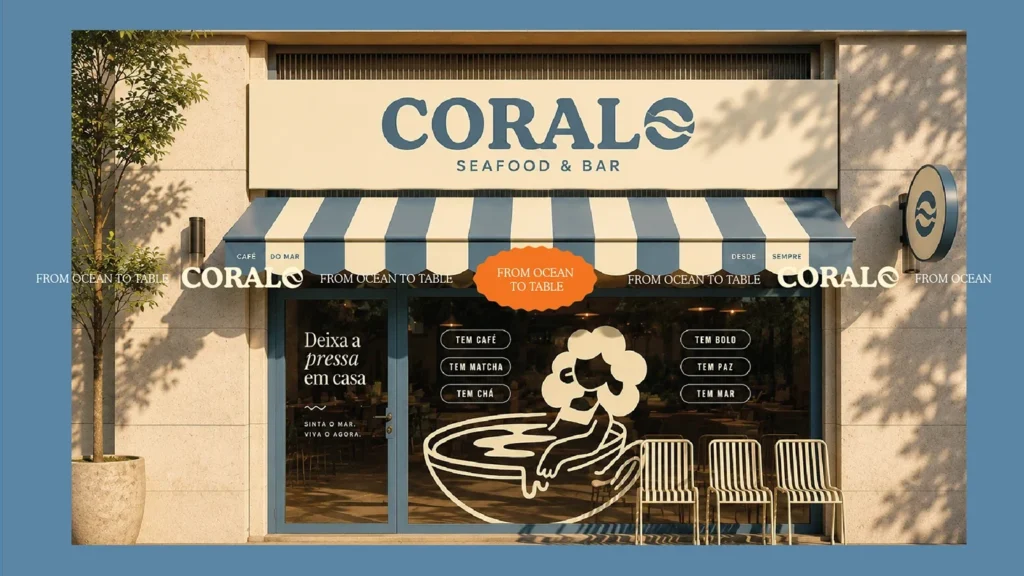
- Website header and hero section mock-up
- LinkedIn profile and cover image
- Email signature
- Pitch deck cover and content slides
- App icon and browser tab favicon
- Social media post template
What Most SaaS Founders Get Wrong
The most common mistakes in SaaS brand identity projects:
- Picking a logo they personally like instead of one that signals the right category position to their target buyer
- Choosing colours that look good in isolation but fail in UI implementation
- Skipping brand guidelines entirely, leading to inconsistent execution across channels
- Not planning for dark mode from the beginning
- Over-investing in visual creativity at the expense of brand clarity
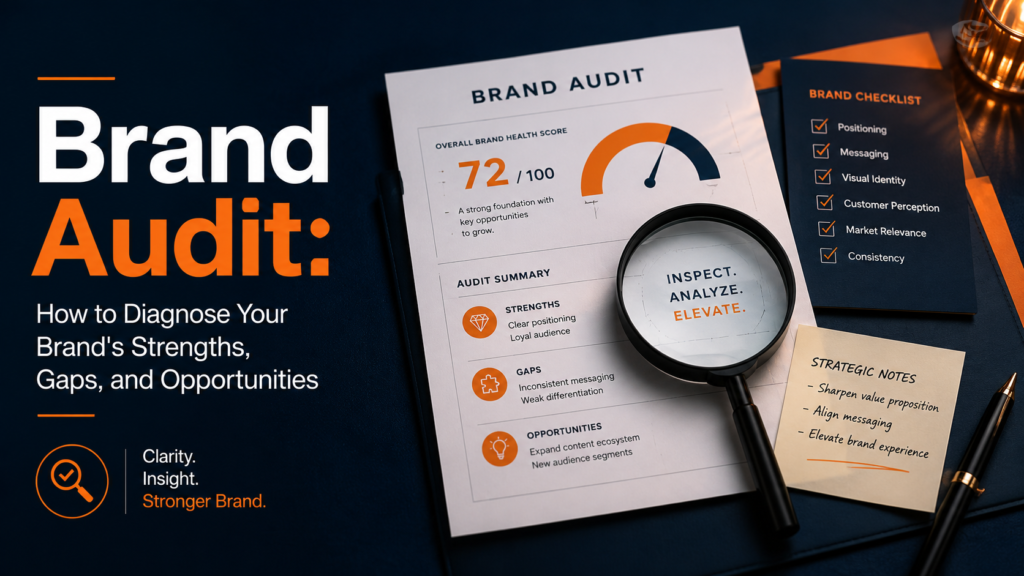
Summary: The Complete SaaS Brand Identity Checklist
- Logo system (primary, compact, icon, light and dark versions)
- Brand colour palette (primary, secondary, neutral, functional)
- Typography system (display, body, scale)
- Icon or illustration style direction
- Brand guidelines document
- Application examples (website, social, pitch deck)
If you are building a SaaS company and need a brand identity that works, read about the SaaS brand identity service or get in touch.